




25 products
Bags and Backpacks for children
Bags and backpacks for children and young souls. Read more
- Free shipping over 500 kr
- 14 days to return
- Store at Vesterbrogade 6D
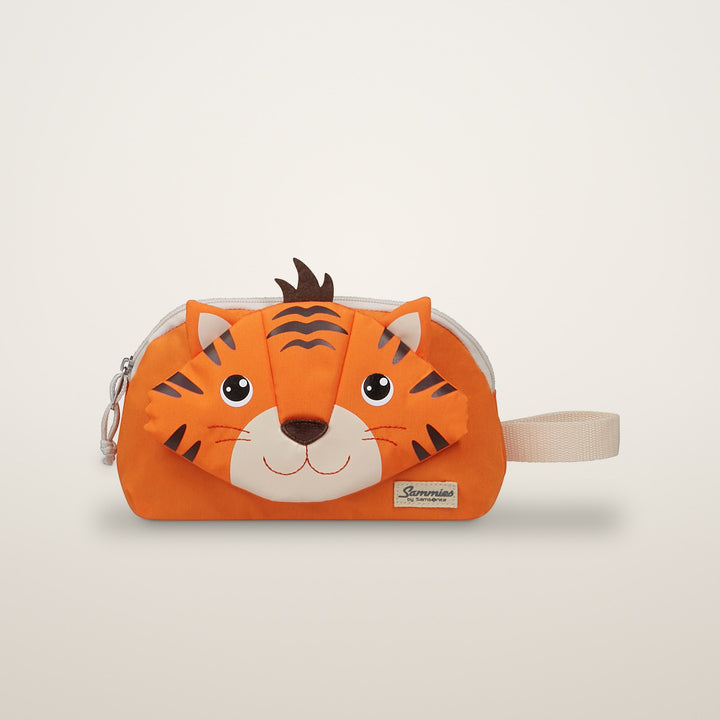
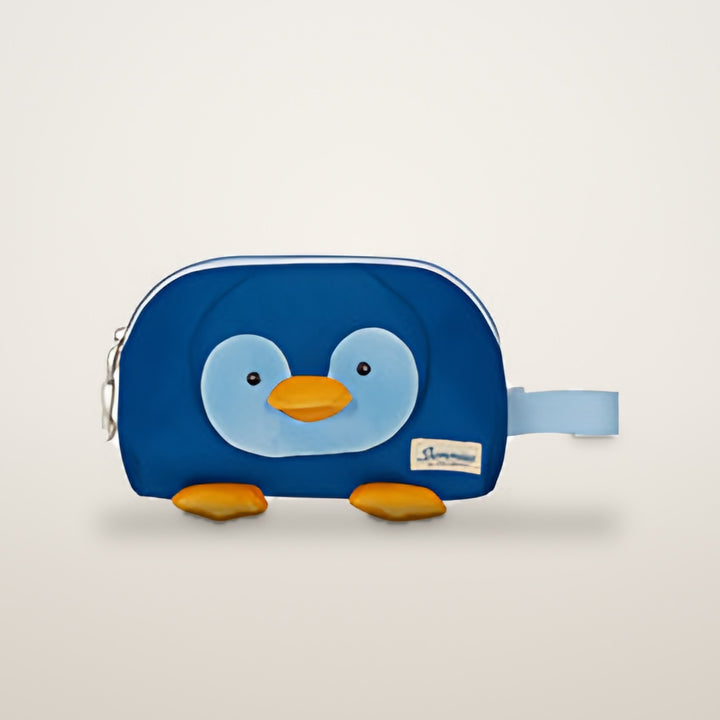
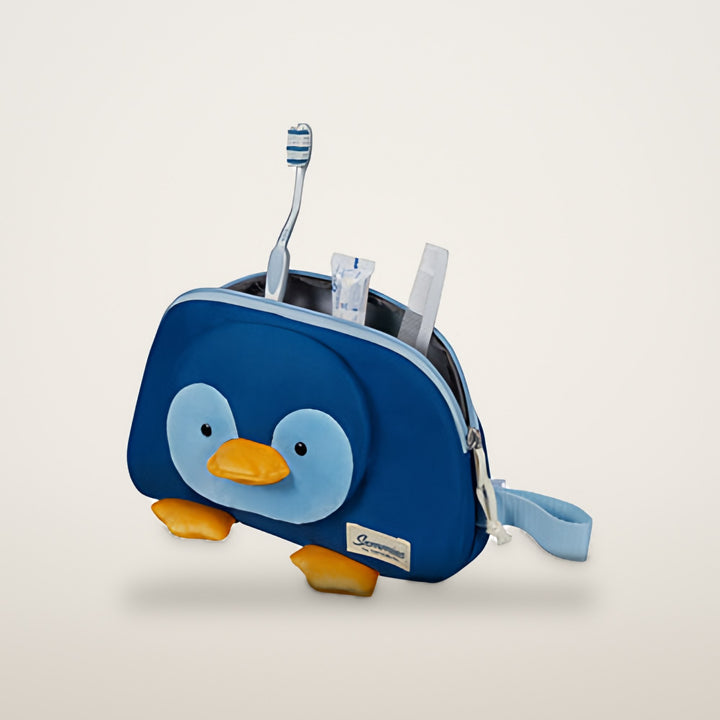
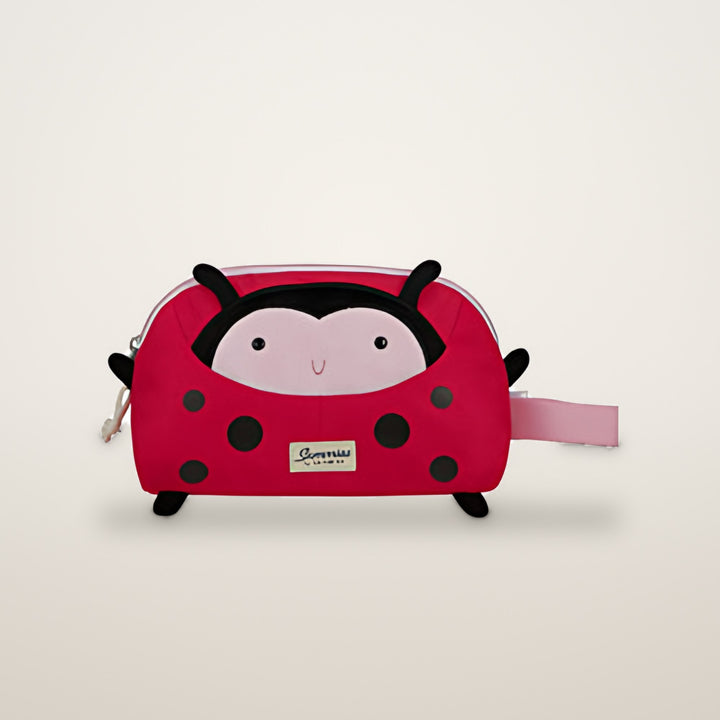
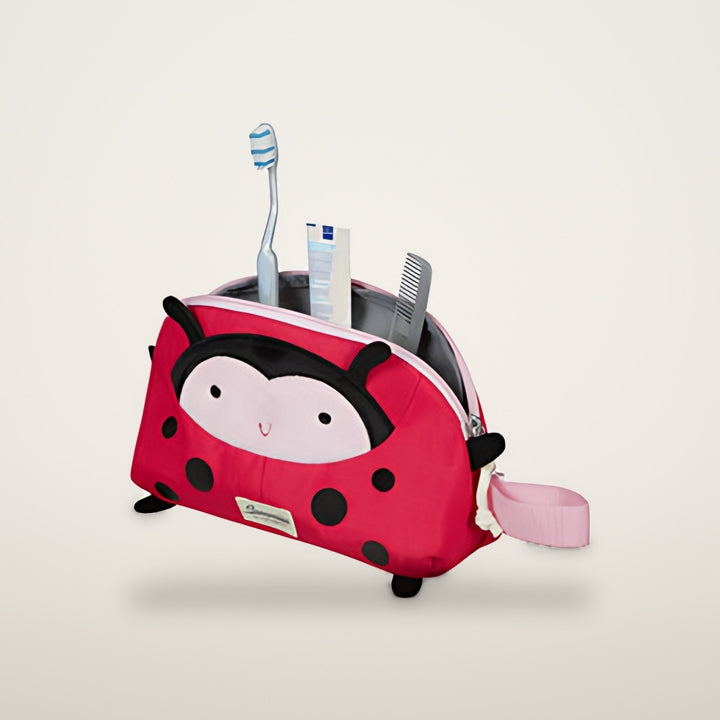
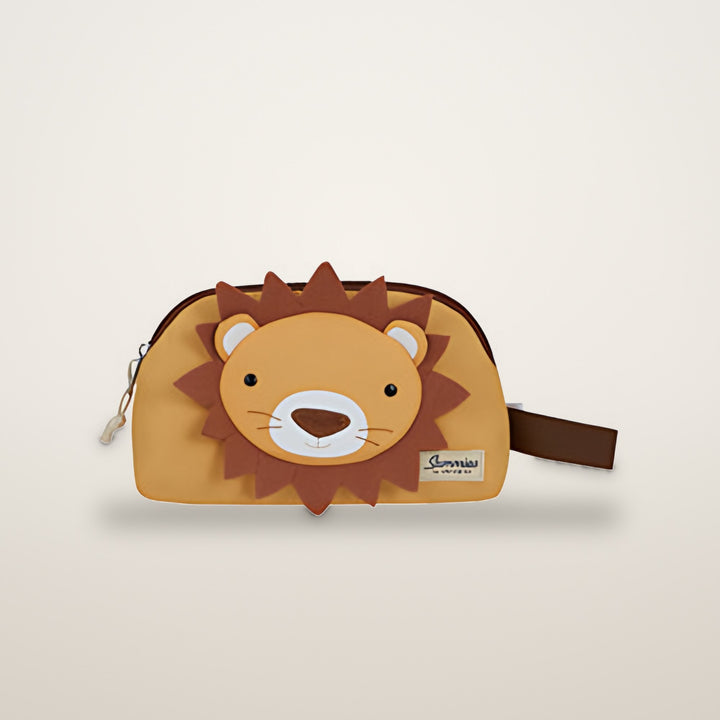
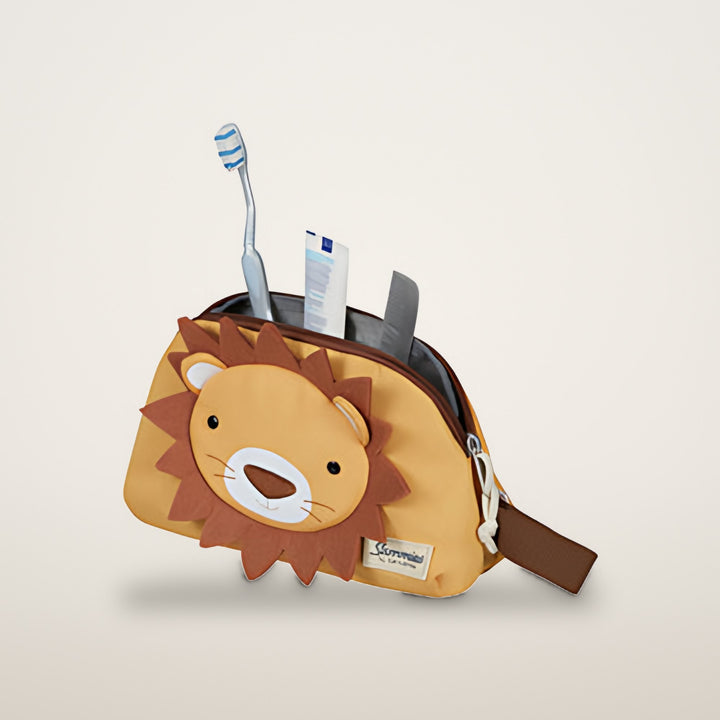
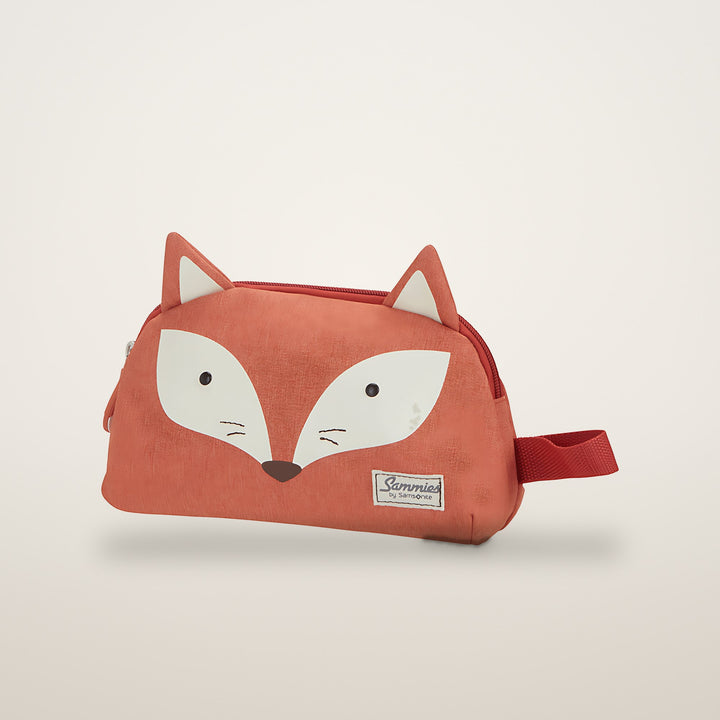
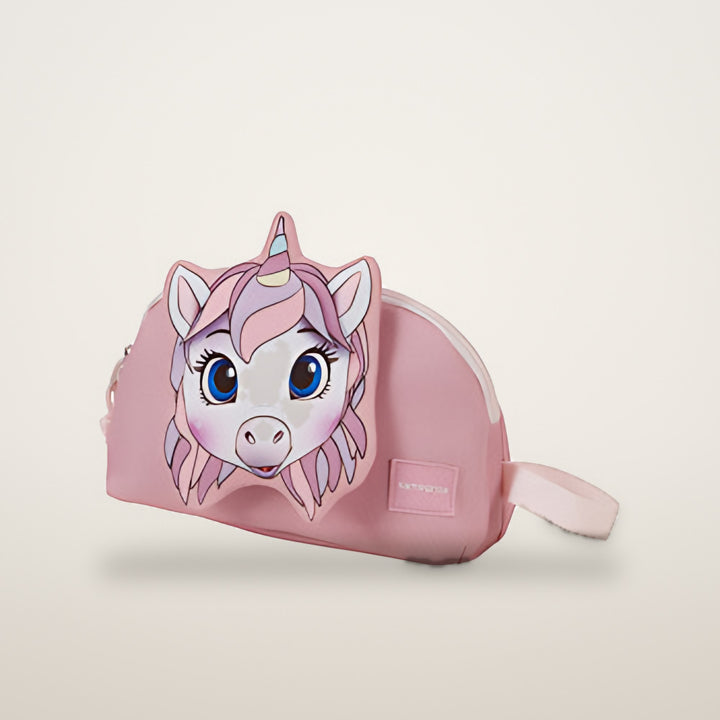
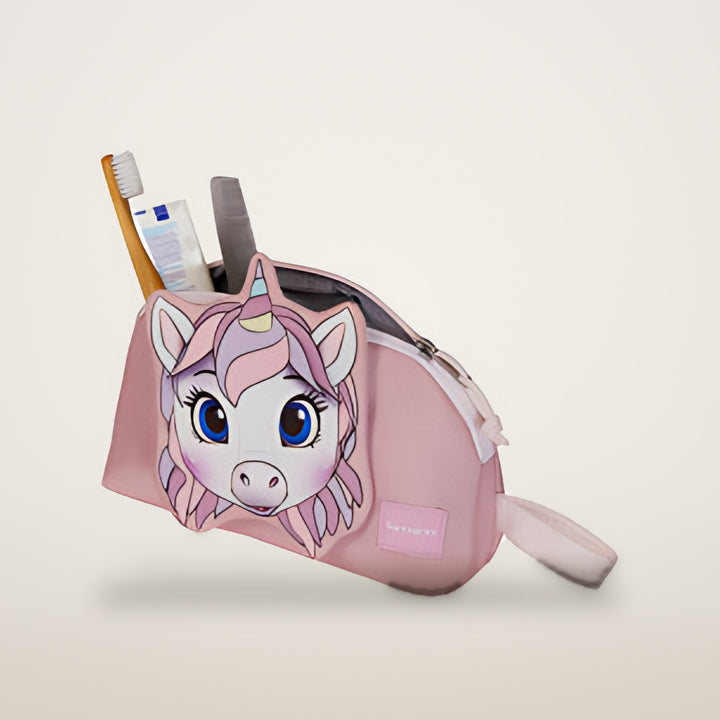
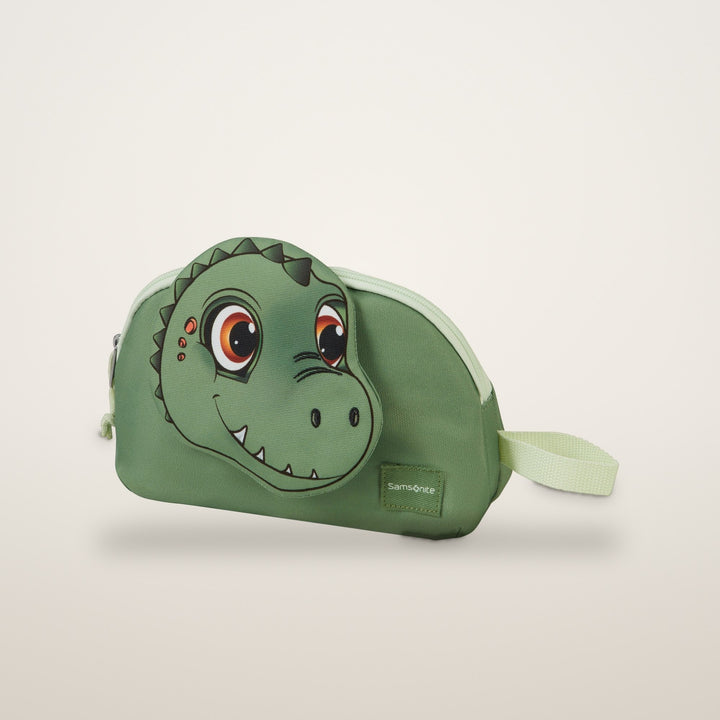
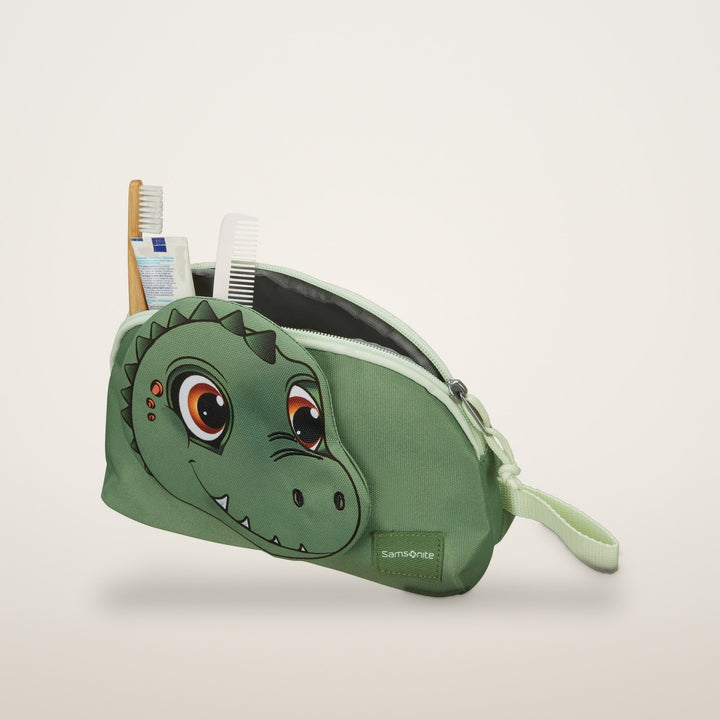
Samsonite Happy Sammies Eco Toiletry Bag
249 kr
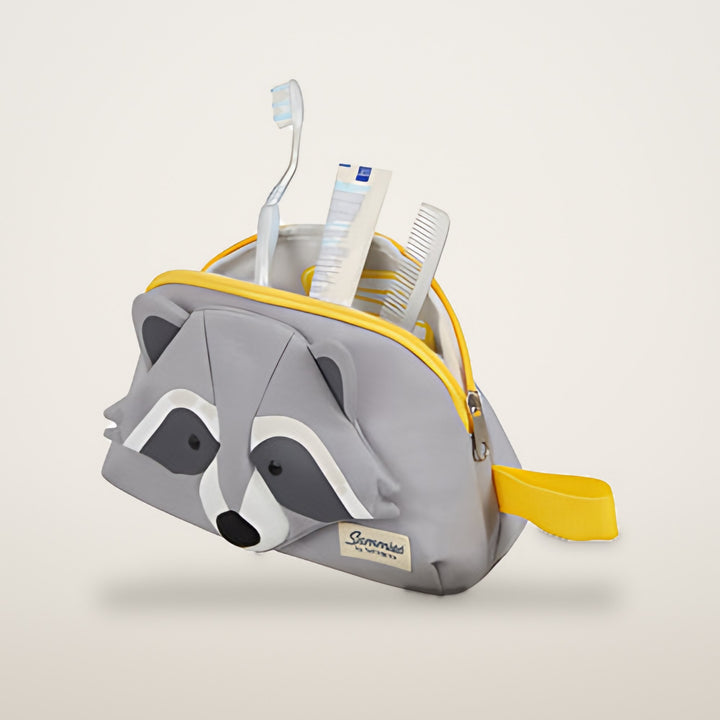
5 colorsSamsonite Happy Sammies Toiletry Bag
249 kr
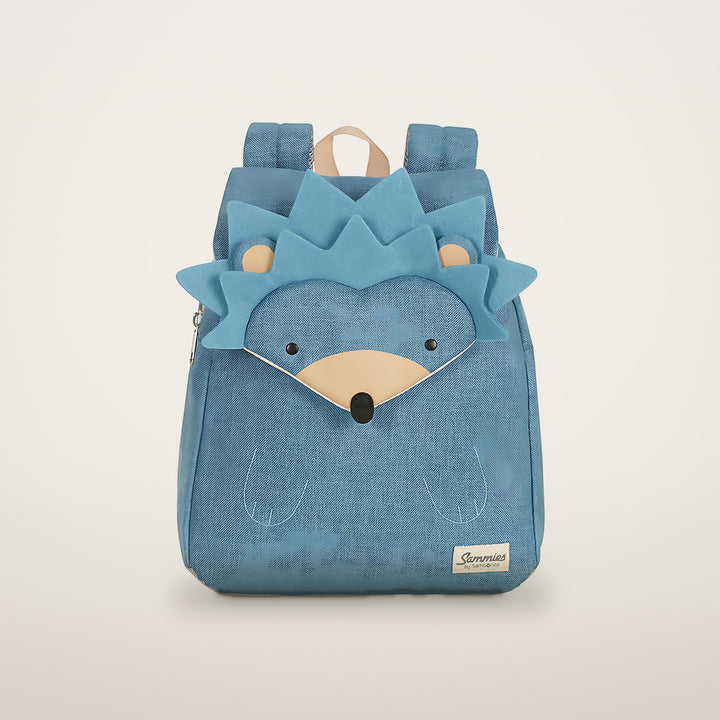
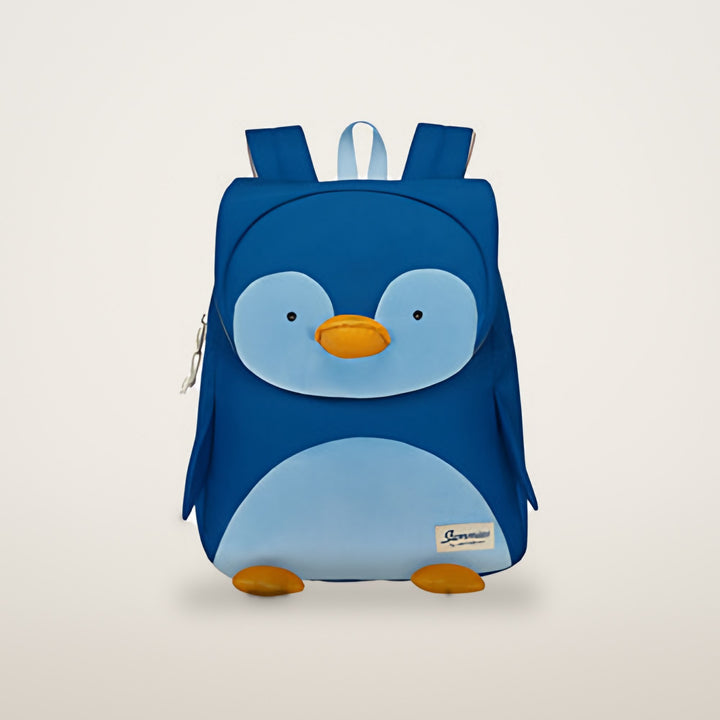
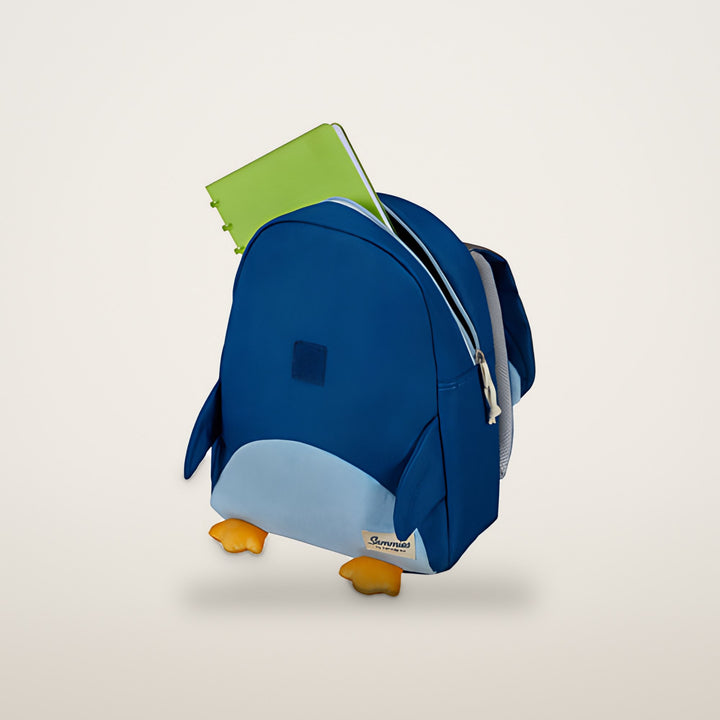
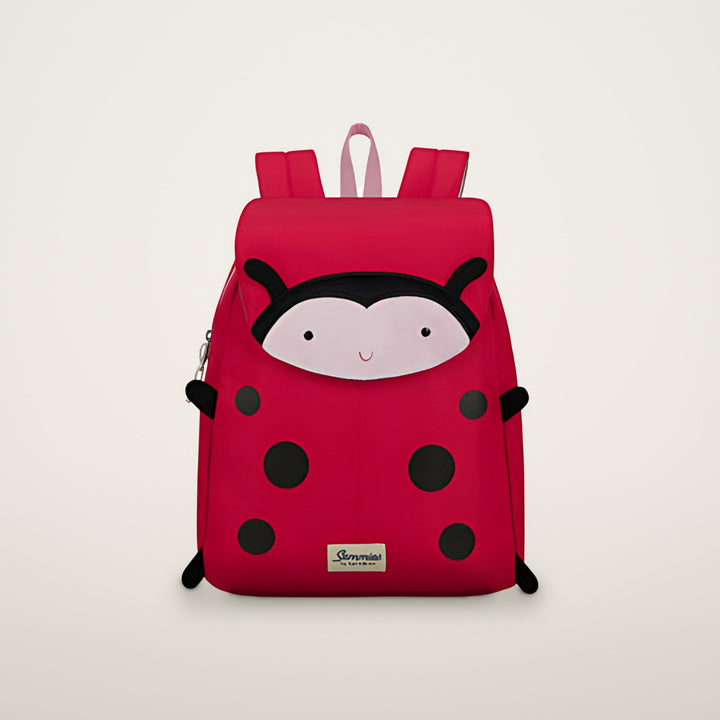
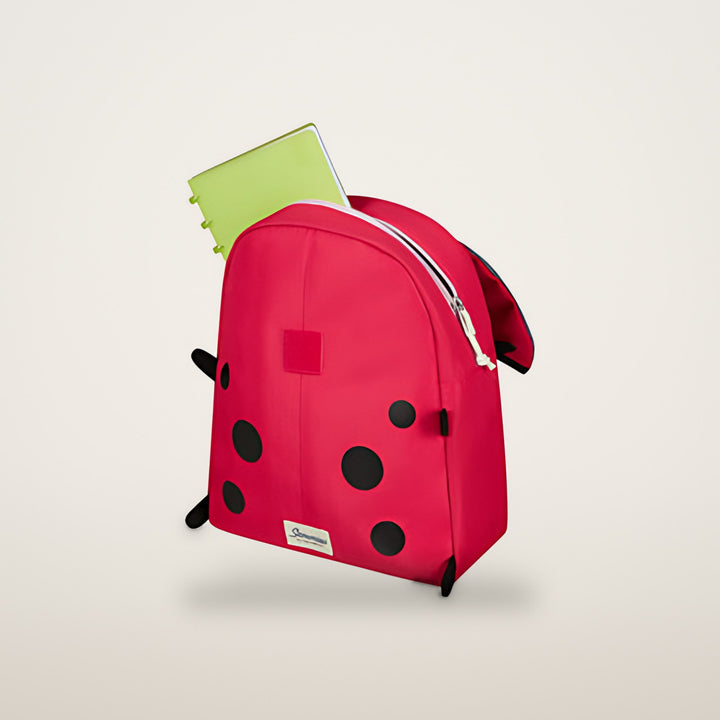
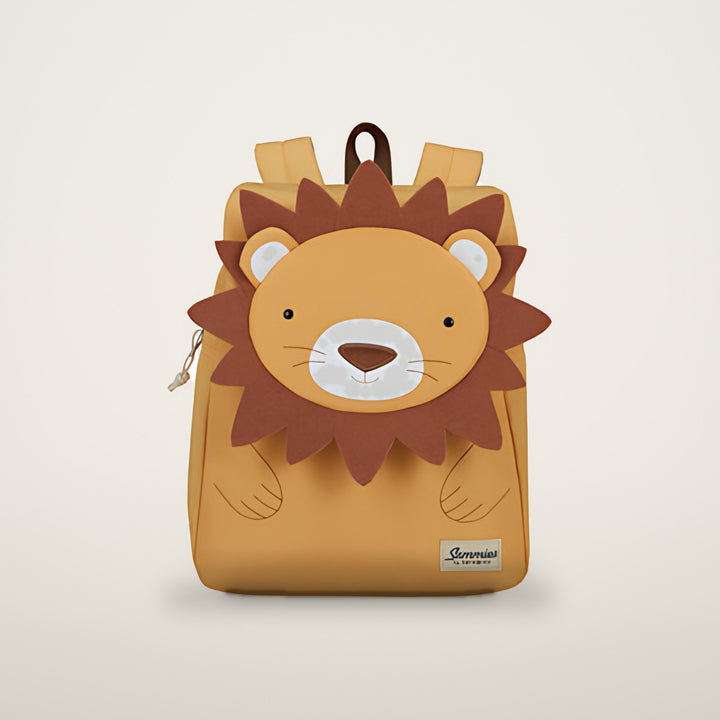
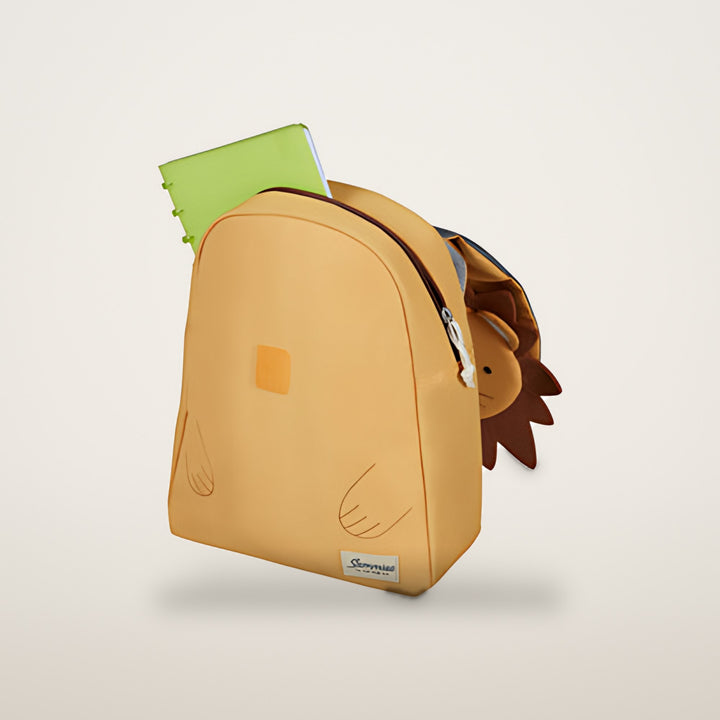
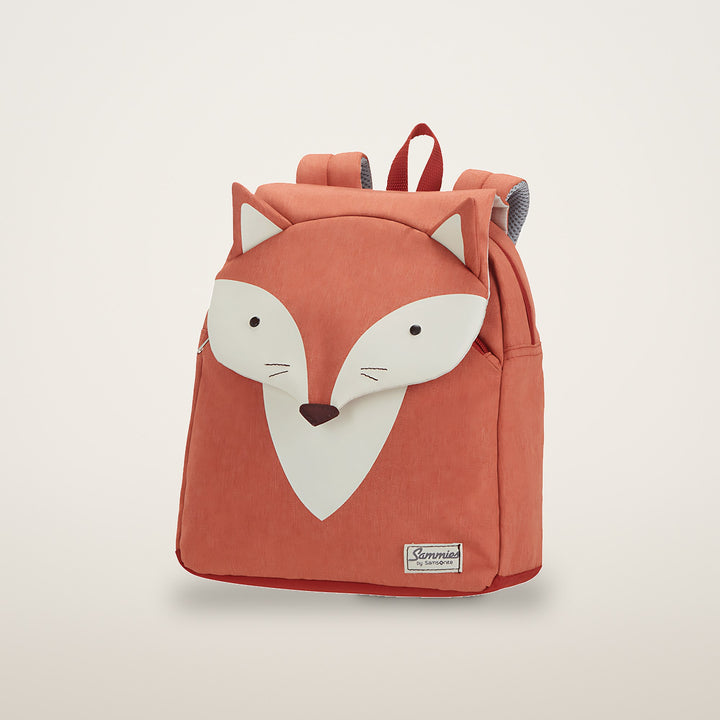
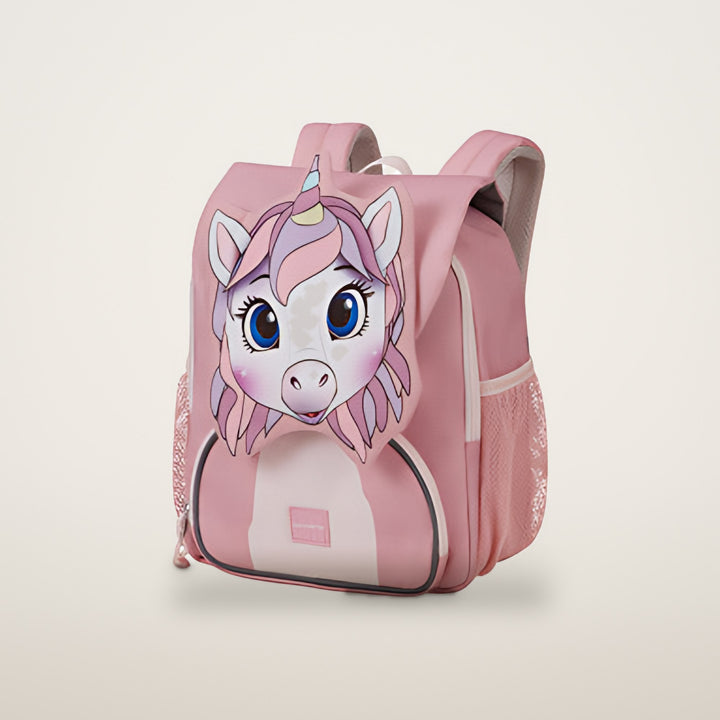
5 colorsSamsonite Happy Sammies Kids Backpack Small+
449 kr
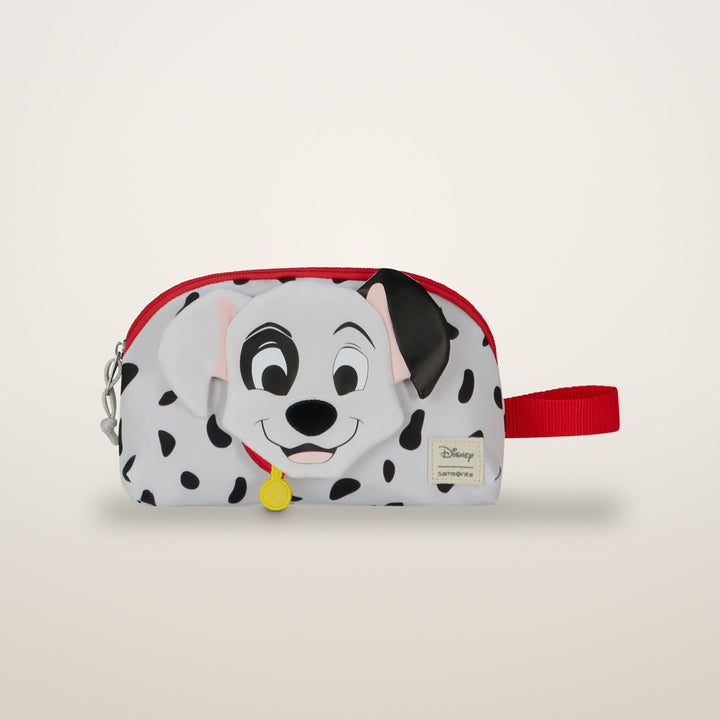
4 colorsSamsonite Happy Sammies Disney Toilet Bag
249 kr
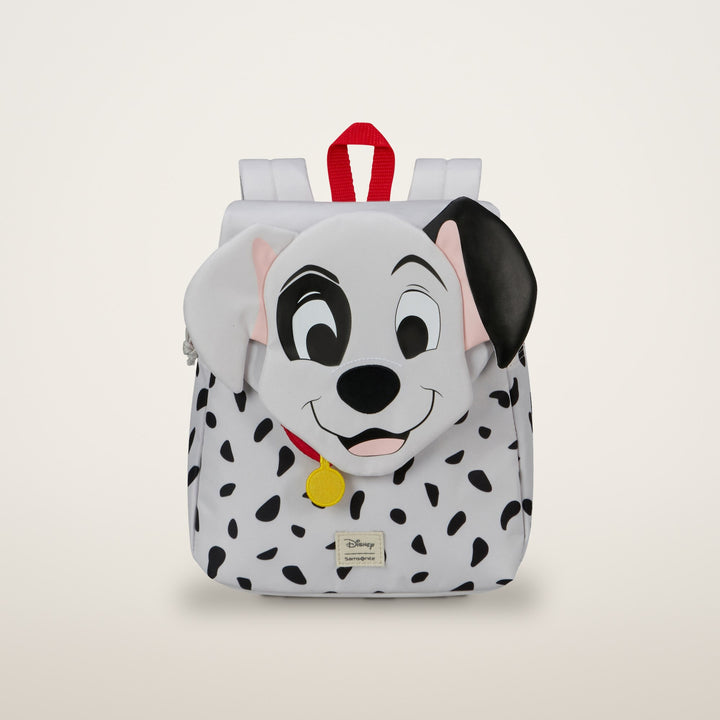
2 colorsSamsonite Happy Sammies Disney Kids' Backpack Small
349 kr
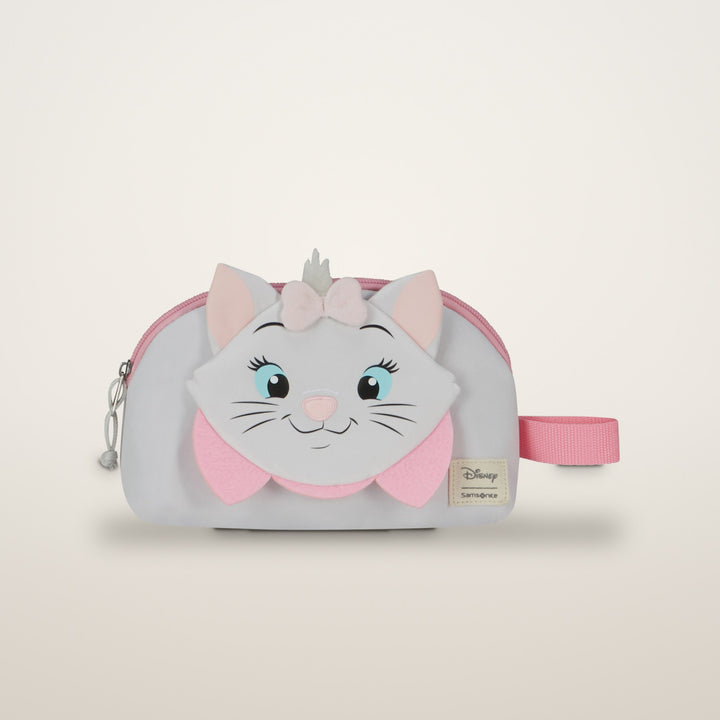
2 colorsSamsonite Happy Sammies Disney Toilet Bag
249 kr
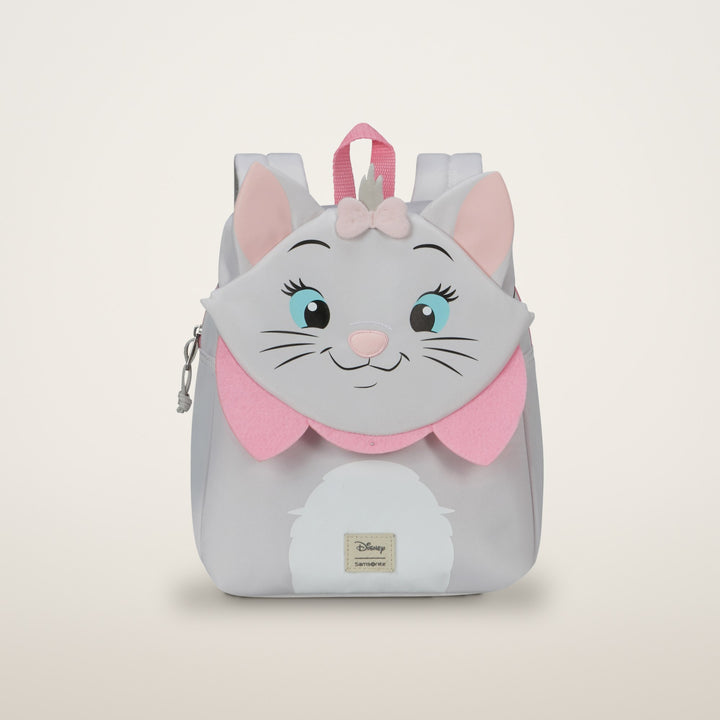
2 colorsSamsonite Happy Sammies Disney Children's Backpack Small
349 kr
2 colorsSamsonite Happy Sammies Toiletry Bag
249 kr
5 colorsSamsonite Happy Sammies Kids Backpack Small+
449 kr
4 colorsSamsonite Happy Sammies Toiletry Bag
249 kr
5 colorsSamsonite Happy Sammies Kids Backpack Small+
449 kr
4 colorsSamsonite Happy Sammies Toiletry Bag
249 kr
5 colorsSamsonite Happy Sammies Kids' Backpack Small
399 kr
4 colorsSamsonite Happy Sammies Kids Backpack Small+
449 kr
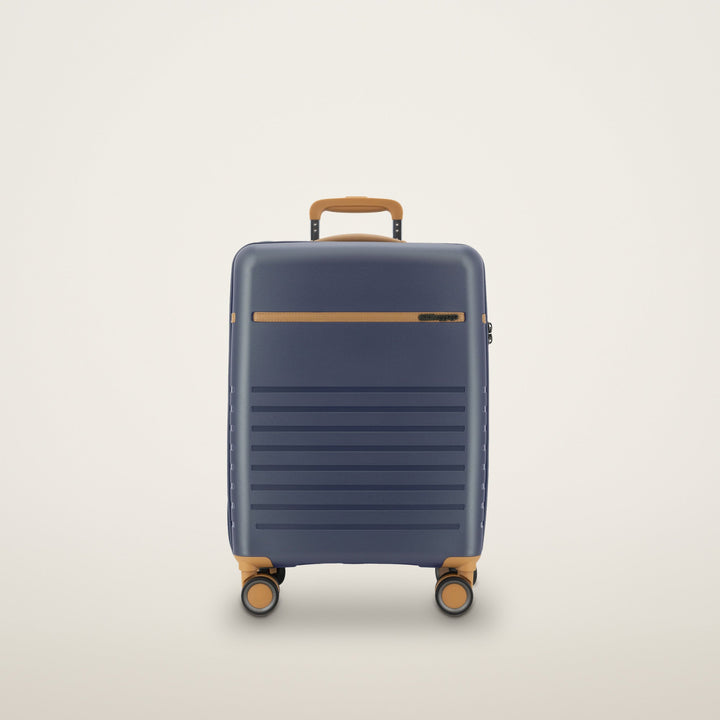
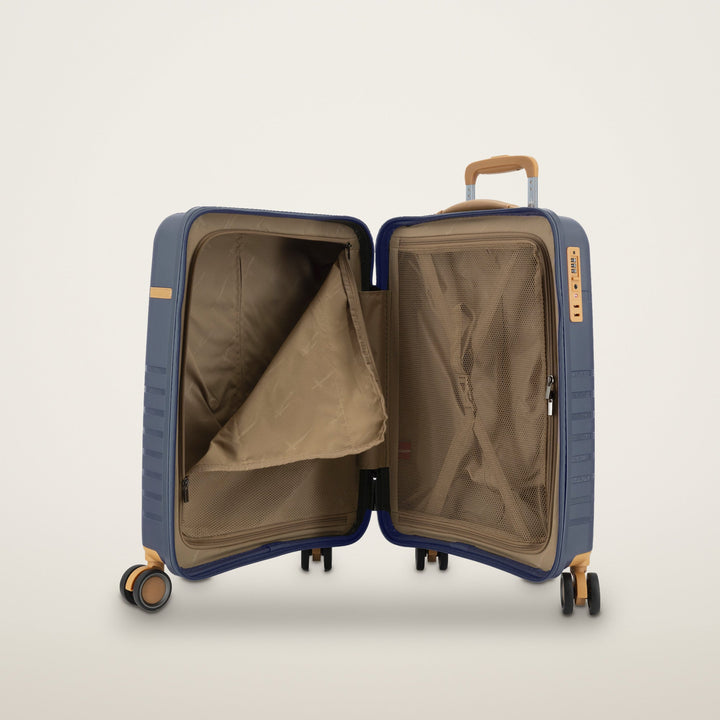
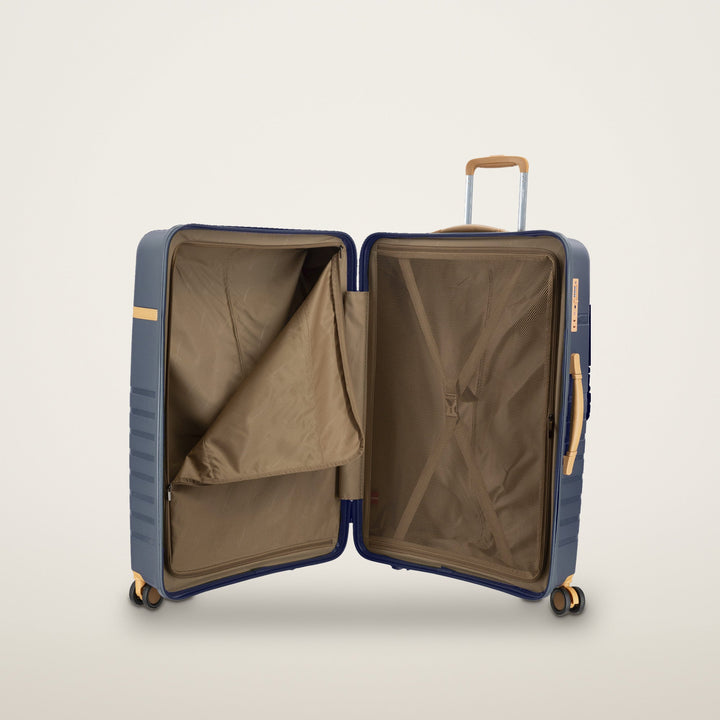
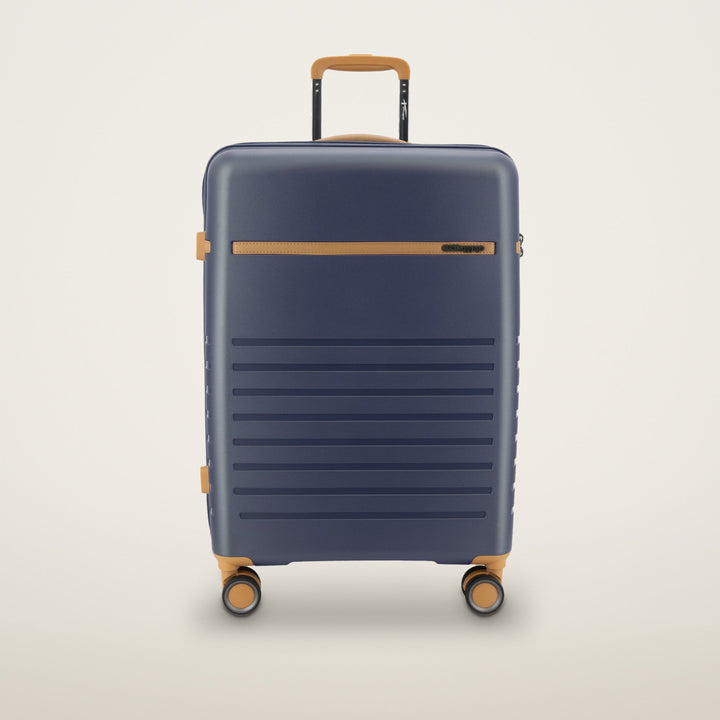
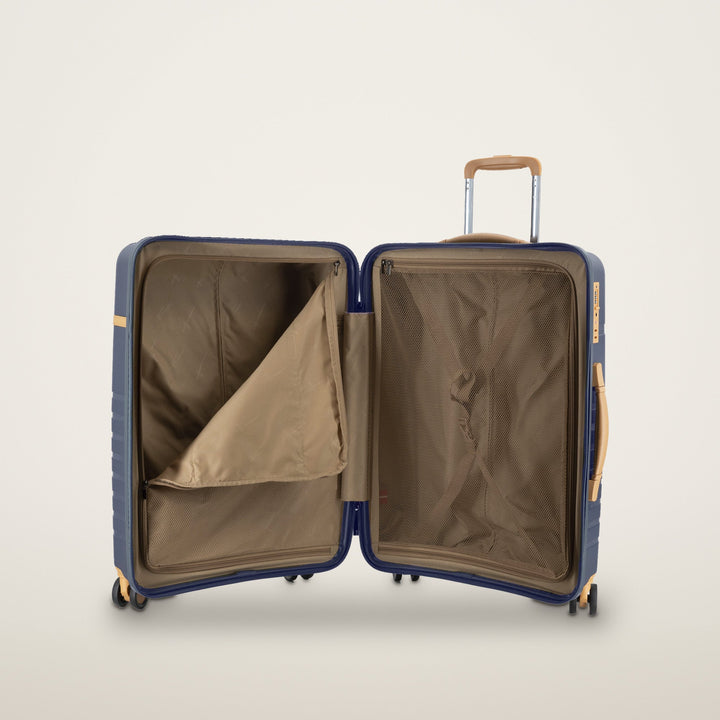
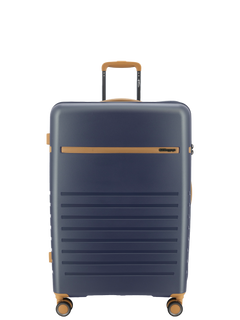
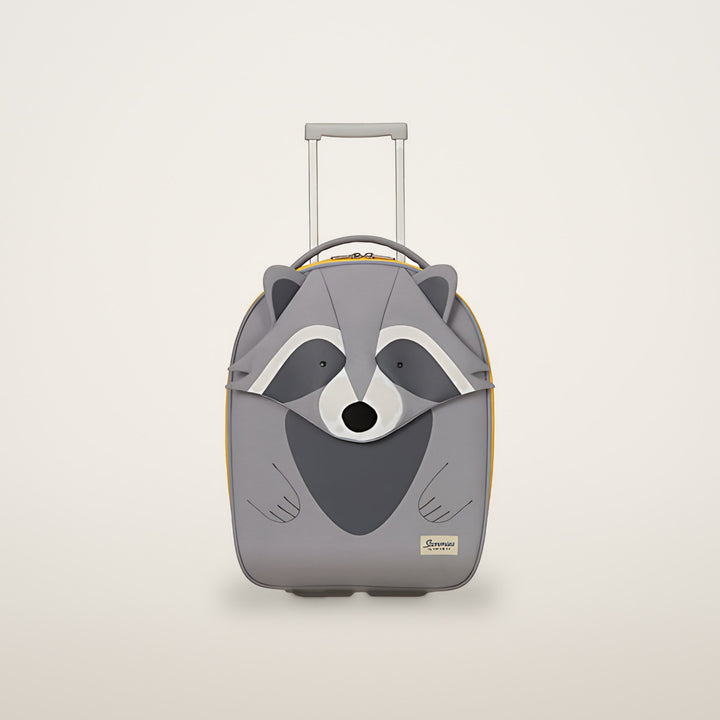
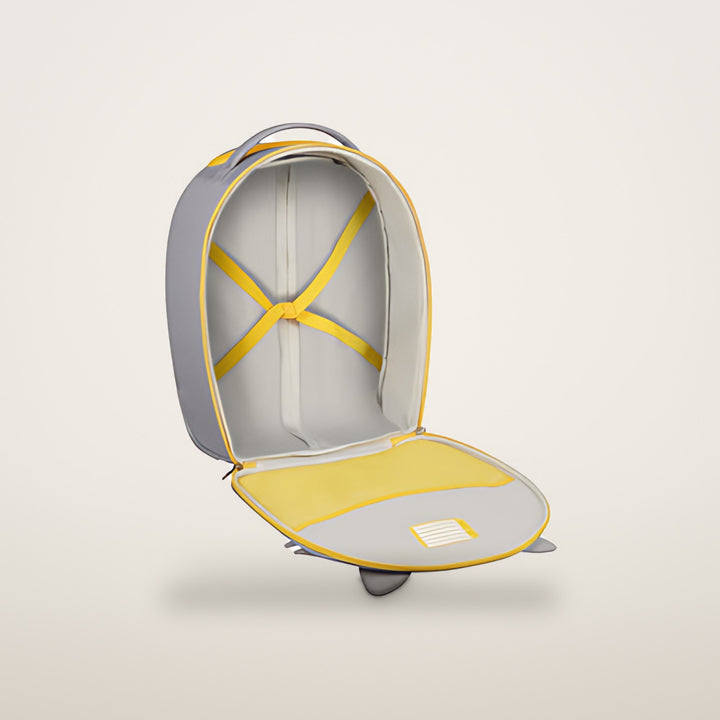
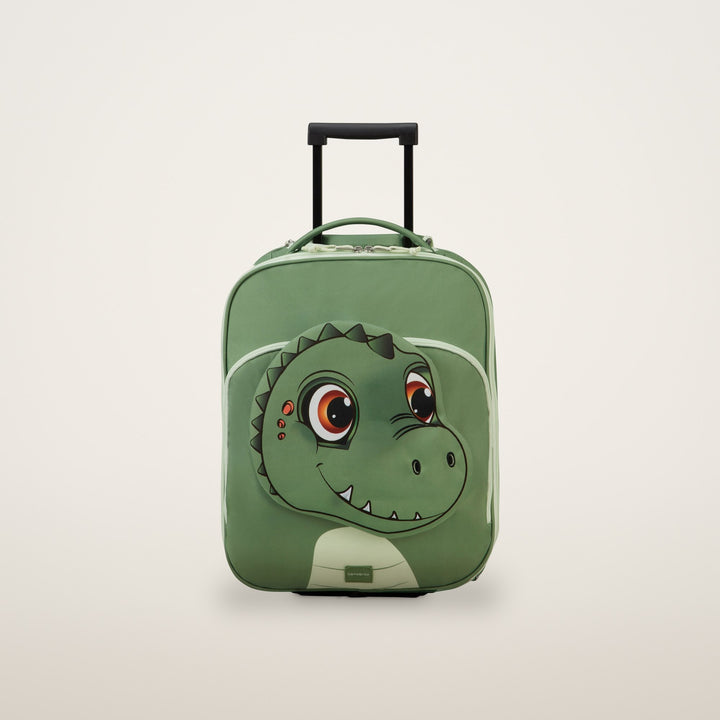
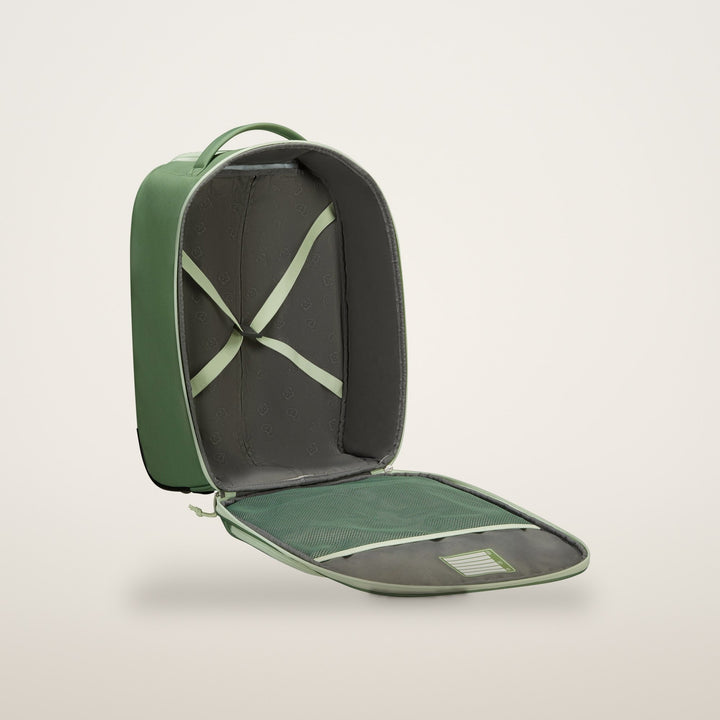
4 colorsSamsonite Happy Sammies Kids' Suitcase
849 kr
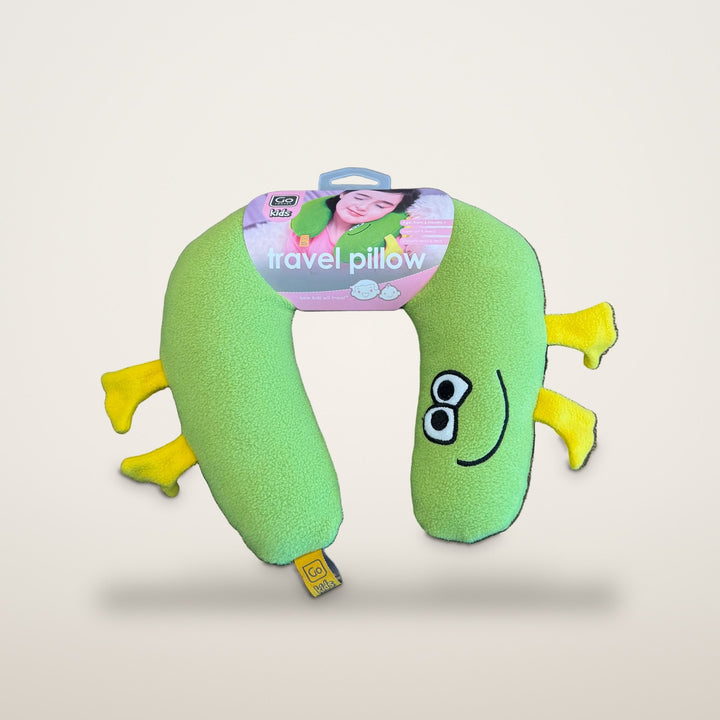
4 colorsGo Travel Kids travel pillow
129 kr
Samsonite Sammies Backpack S
399 kr
Samsonite Sammies Backpack S
399 kr
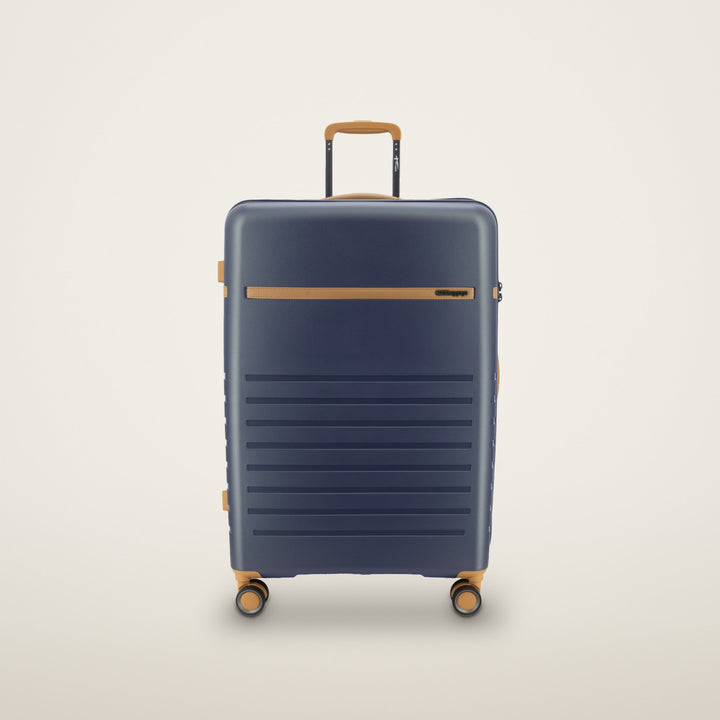
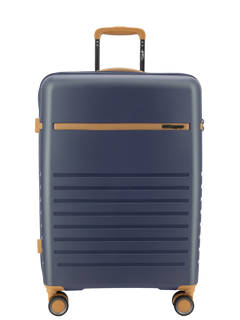
Samsonite Sammies Upright
849 kr
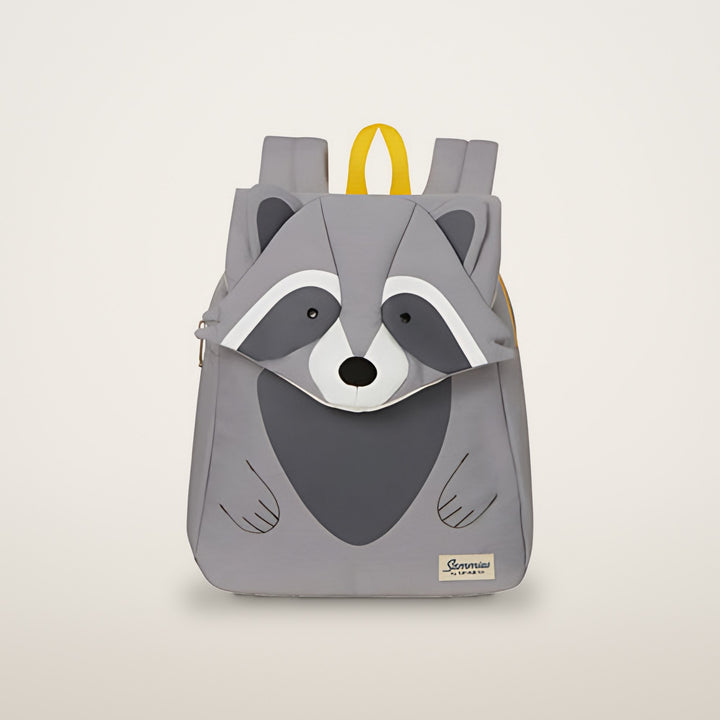
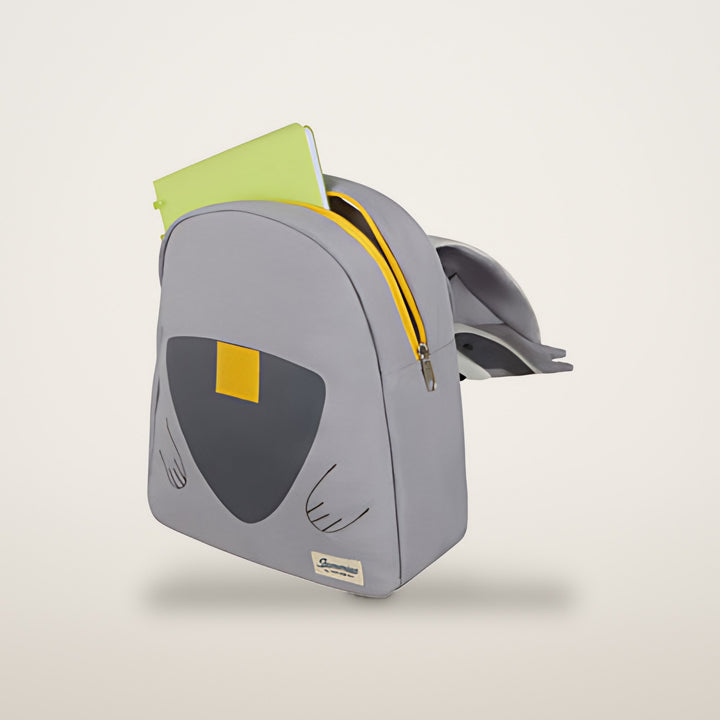
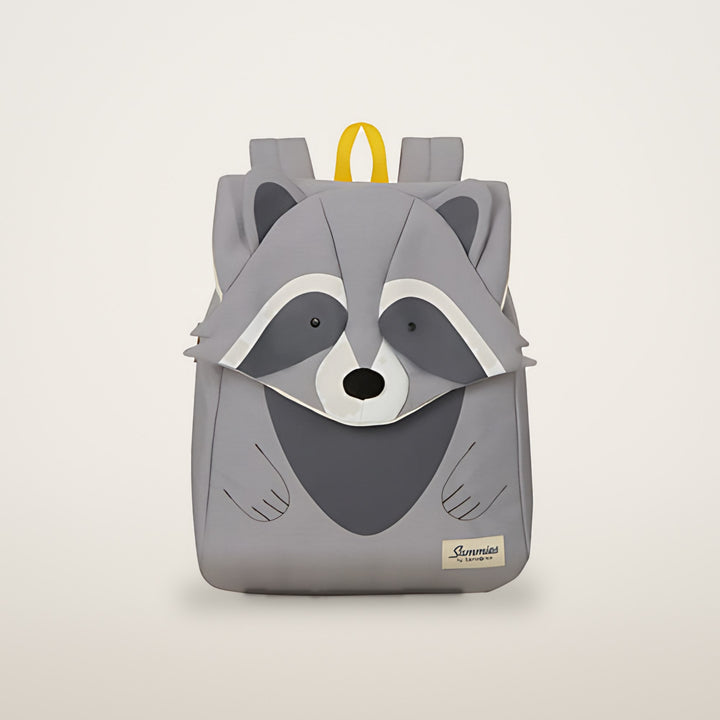
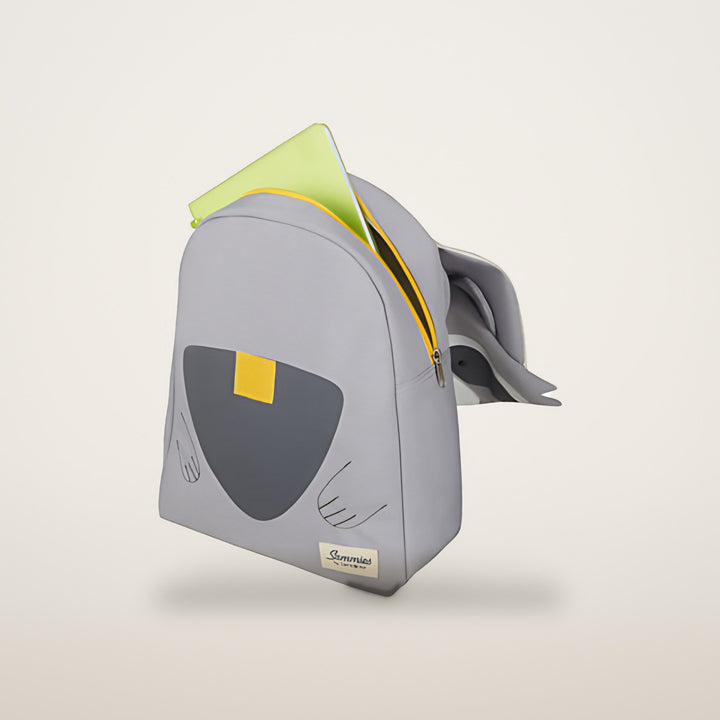

You have seen 24 of 25 products
Show more productsAbout Bags and Backpacks for children
Bags and backpacks for children and young souls.
Children's backpacks and ergonomic bags for daycare and everyday life
When the little ones start daycare or are heading out on an excursion, a well-fitting children's backpack is an important part of everyday life. A bag for children must be able to hold a change of clothes, a lunchbox, and a water bottle without putting unnecessary strain on the child's body. At Copenhagen Luggage, we select models that combine thoughtful ergonomics, durable materials, and designs that children actually want to carry themselves. The selection is part of our wide range of functional suitcases and bags for children, where durability and comfort are always top priorities.
A good children's bag differs significantly from an adult's bag by being tailored to smaller proportions. Children's shoulders are narrower, and their spinal musculature is still developing. Therefore, this places special demands on the design of the back panel, straps, and weight distribution so that the bag supports rather than hinders the child's natural freedom of movement.
The first bag for daycare and preschool
The transition to daycare or preschool often marks the time when a child gets their very first bag. At this age, the choice is primarily about clarity and comfort. The bag must be easy for small hands to open so that the child can retrieve their favorite teddy bear, hat, or fruit in the cloakroom. At the same time, the bag must have a stable bottom and firm sides that prevent the contents from clumping together at the base.
By choosing a model that is adapted to the child's height, the child is encouraged to take responsibility for their own belongings. When the backpack fits correctly, it becomes a positive experience to carry one's own gear on the way to the playground or on the weekly forest trip.
The difference between an everyday bag and a daypack
A classic everyday bag for preschool often serves as a practical transport bag between home and the institution. Here, it is crucial that the bag has a spacious main compartment with room for a change of clothes, diapers, and a lunchbox. On longer walks and outings, however, higher demands are placed on the bag's technical details.
A daypack should have extra focus on ventilation against the back, stable chest straps, and possibly external mesh pockets for a water bottle so the child can quickly quench their thirst without unpacking the entire bag. By choosing a versatile backpack for children, you ensure that the bag handles both Monday's cloakroom storage and the weekend's forest trip with the family.
Choose the right backpack for children with a focus on size and age
Size is the most crucial factor when choosing the right children's backpack. A common pitfall is buying the bag too big in the hope that the child can grow into it. However, an oversized backpack changes the child's center of gravity, pulls their shoulders backward, and makes it difficult to run and play freely. A bag for children must never protrude beyond the width of the shoulders or rest lower than the child's lower back.
Quick overview of choosing a children's backpack
- Choose a volume of approximately 5–10 liters for children of preschool age to match the child's physique.
- Prioritize an adjustable chest strap so the shoulder straps remain stably in place without sliding down.
- Ensure ergonomic back padding so the bag provides optimal support on trips and in everyday life.
By basing your choice on the child's age and build, you achieve the best balance between roominess and ergonomics. Below, we go through the most important considerations regarding volume and correct placement on the body.
Volume of approximately 5 to 10 liters for the little ones
For children aged two to six, a volume of approximately 5–10 liters is the ideal choice. This capacity provides plenty of room for necessary gear such as a packed lunch, a water bottle, and an extra sweater without the bag's own weight or total volume becoming a burden.
The smallest models of about 5 liters are perfect for the first years of daycare when the cargo is limited. Models approaching 10 liters are aimed at older preschool children who need space for a bit more equipment on excursion days, but who still need a bag with compact external dimensions.
Correct placement on the child's back
When the backpack is put on, the top should align with the child's shoulder line, while the bottom should rest stably in the lower back. If the bag hangs down over the buttocks, it creates an inappropriate pull on the neck and shoulders, forcing the child to lean unnaturally forward while walking.
Therefore, make sure to adjust the shoulder straps regularly, especially during transition periods when the child switches between a thin summer jacket and a thick snowsuit. Correct adjustment ensures that the weight is kept as close to the body's center of gravity as possible.
Ergonomics and comfort when a chest strap makes the difference
Ergonomic principles for children's bags are based on the same fundamental requirements that apply to advanced backpacks for adults. The difference lies in the anatomical dimensions. Young children's builds are characterized by relatively narrow and sloping shoulders. Without the right stabilizing features, shoulder straps will inevitably slide off the shoulders during movement.
This problem is most effectively remedied with a well-functioning chest strap, which connects the two shoulder straps across the chest. It prevents the straps from sliding to the sides, which gives the child the freedom to swing their arms, climb, and cycle without having to constantly adjust the bag.
Adjustable chest straps keep shoulder straps in place
A chest strap must be adjustable in both width and height to provide optimal support. The chest grows rapidly during the preschool years, and the buckle must never be too tight or press against the throat. The correct position is in the middle of the sternum, where it stabilizes without hindering breathing.
Modern closure systems on a children's bag are designed so that children can open and close the buckle themselves with a simple click. This strengthens the child's self-reliance in the cloakroom, while also ensuring that the bag is always securely fastened on the walk.
Padded shoulder straps and anatomical back support
The width and padding of the shoulder straps have a major impact on pressure distribution. Straps that are too narrow can cut into the shoulders if the bag is packed heavily with a full water bottle and fruit. Soft, anatomically curved straps distribute the pressure over a larger area and prevent discomfort.
The back panel should also have light, breathable padding that prevents hard objects from the inside of the bag from poking the child in the back. A padded back surface also creates a stable contact surface against the body, making the entire construction steady and comfortable to carry throughout the day.
Quality materials and thoughtful features for everyday life
A children's backpack is subjected to rough treatment in everyday life. It is thrown on the lawn, dragged across tiles, and exposed to moisture and dirt. Therefore, the choice of textiles and mechanical components is central to the bag's lifespan. At Copenhagen Luggage, you will find popular series such as Samsonite Happy Sammies, which combine charming animal motifs with robust functionality.
Quality manufacturers use tightly woven polyester materials that are resistant to wear and tears. Many modern series use recycled fibers in the textiles, which reduces the environmental footprint without compromising the fabric's durability or the surface's resistance to moisture.
Durable textiles and easy-to-clean surfaces
Children's bags inevitably get dirty from mud, food scraps, and spilled juice. It is therefore a major advantage that the textiles have a dirt-repellent surface that can easily be wiped off with a damp cloth. Materials with high tensile strength prevent seams from coming apart, even when the bag is filled to the brim.
Robust reinforcements at the bottom significantly extend the lifespan, as the base is the most exposed area when the bag is placed on wet or uneven surfaces. A solid base construction also prevents moisture from the ground from seeping into the bag's contents.
Visibility with reflectors and user-friendly zippers
Safety in traffic is crucial, especially in the dark winter months. A well-designed backpack for children is equipped with integrated reflective details on the front, sides, and shoulder straps. This ensures that the child is visible to motorists from all angles when you are traveling on the sidewalk or bike path.
The zippers must be sized for small children's hands. Large zipper pulls or soft cords make it easy to grab and zip the bag open without help from an adult. An integrated name tag on the inside also ensures that the bag always finds its way back to its rightful owner if it gets mixed up in the institution's busy cloakroom.
Frequently asked questions about children's backpacks
Which size children's backpack should I choose?
For nursery and kindergarten, you should choose a small and lightweight backpack of approximately 5–10 litres, depending on the child's age and height. The bag must not be wider than the child's shoulders or hang below the lower back.