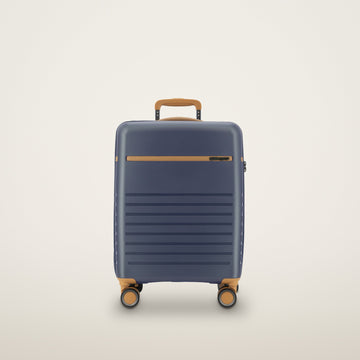








62 products
Lightweight suitcases
Find your perfect lightweight suitcase at Copenhagen Luggage. Our lightweight suitcases are sturdy, stylish and easy to handle. Buy your new lightweight suitcase from us today! Read more
- Free shipping over 500 kr
- 14 days to return
- Store at Vesterbrogade 6D
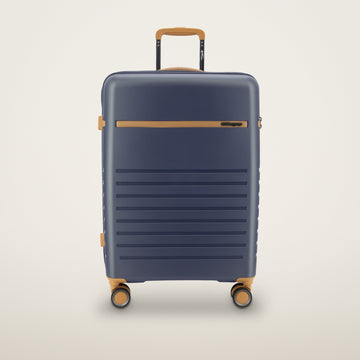
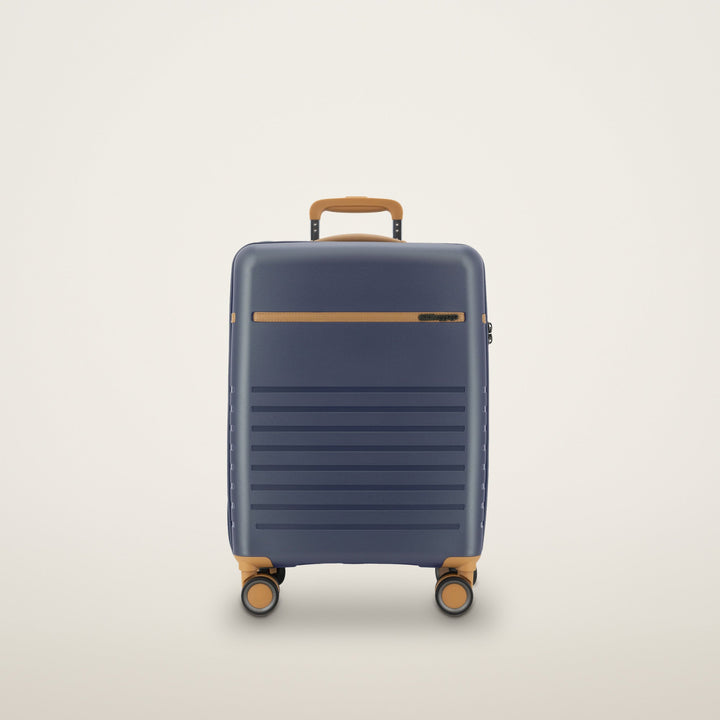
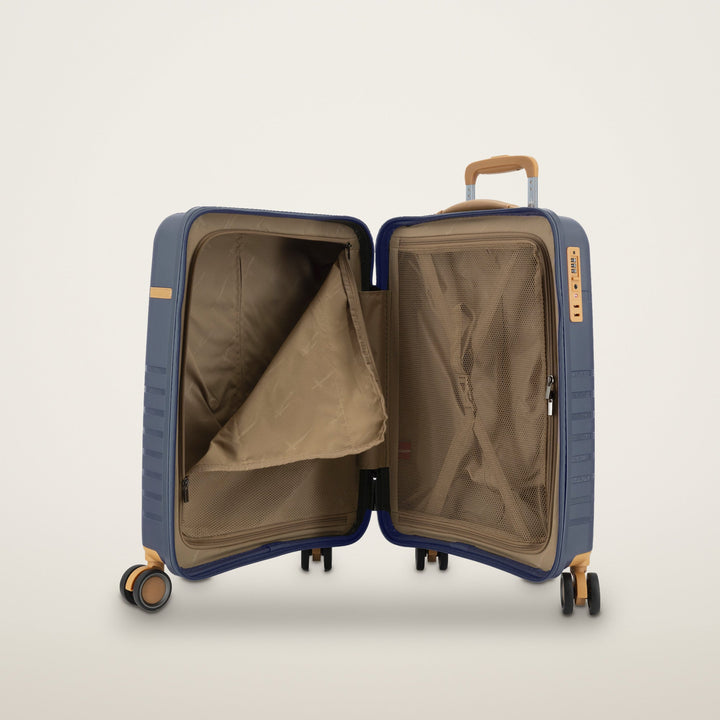
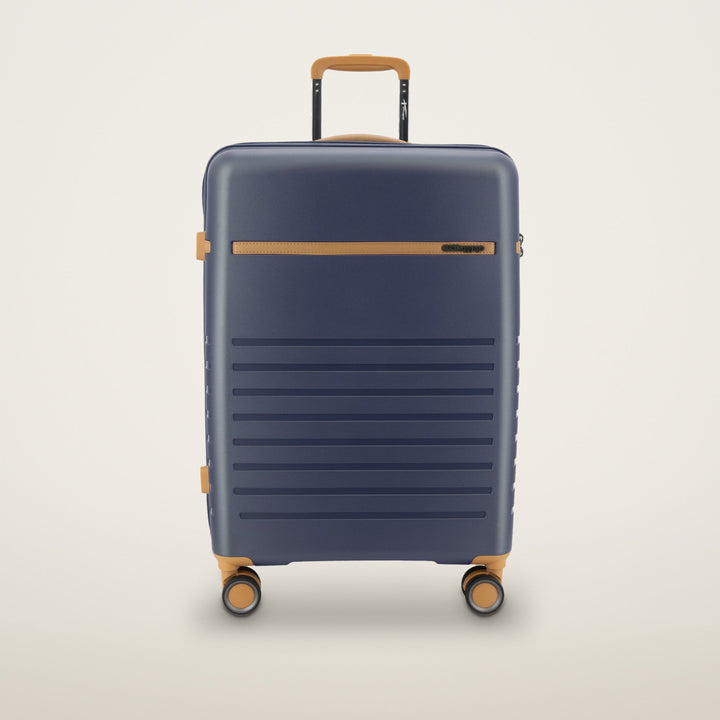
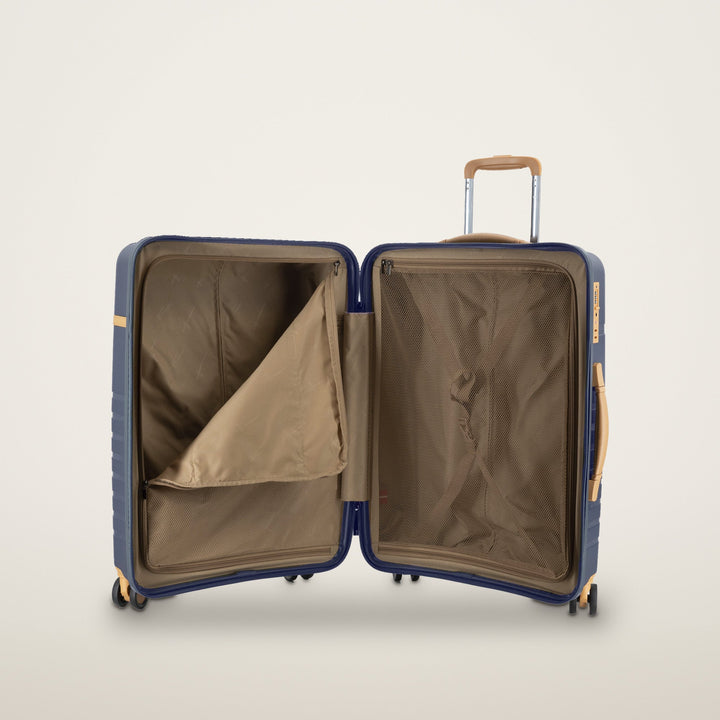
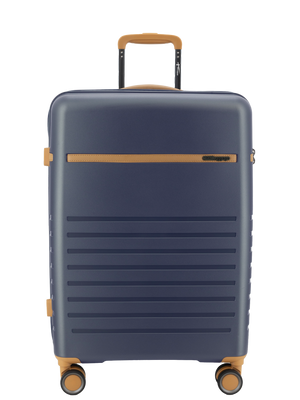
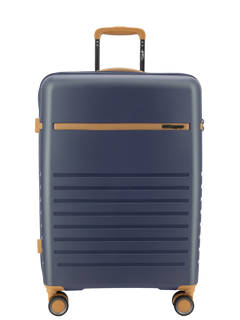
Wire KKDK Check-in M Suitcase
Now 1.049,25 kr
Matte BlueMatte blackWas 1.399 kr-
 Size guideWhich size do you need?Compare dimensions, weight and capacity, and choose the size that suits your trip.Find your suitcase
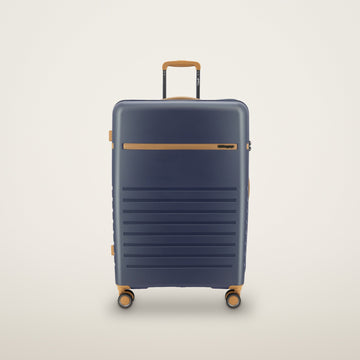
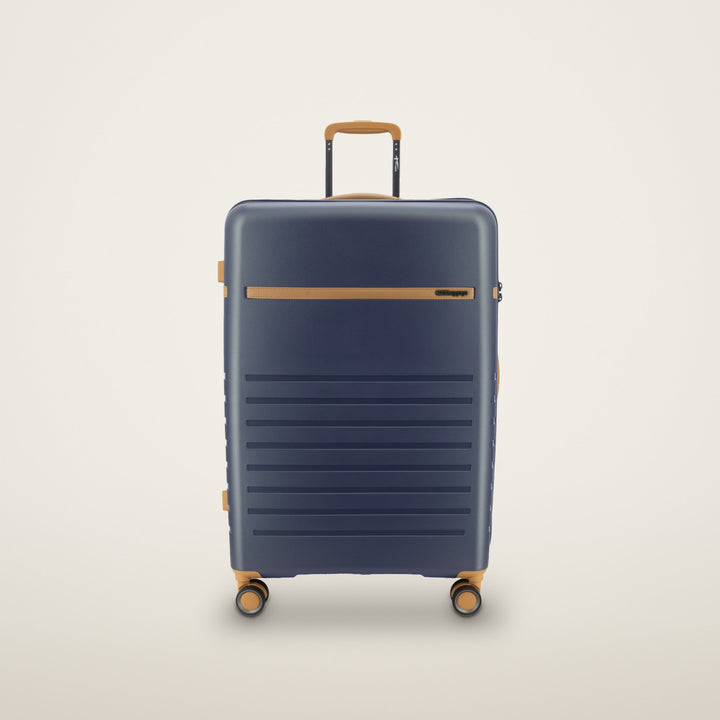
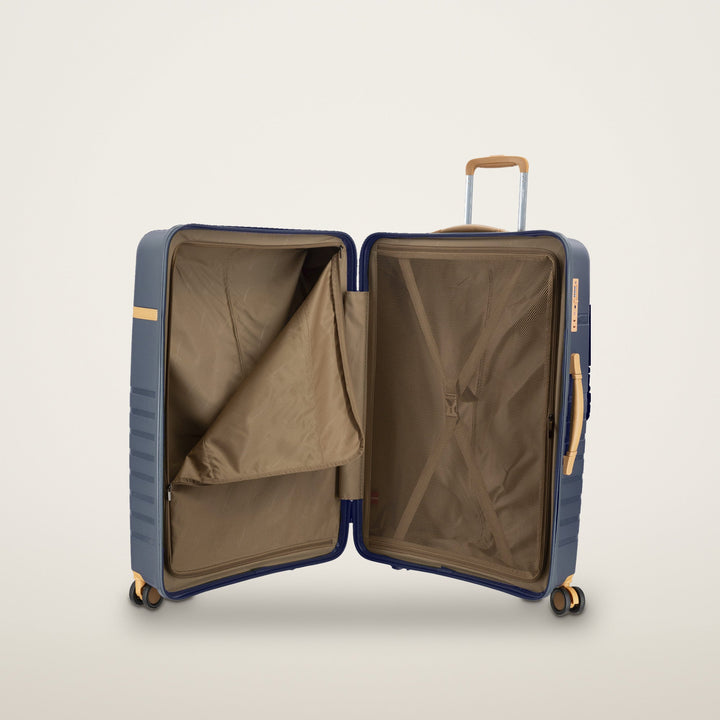
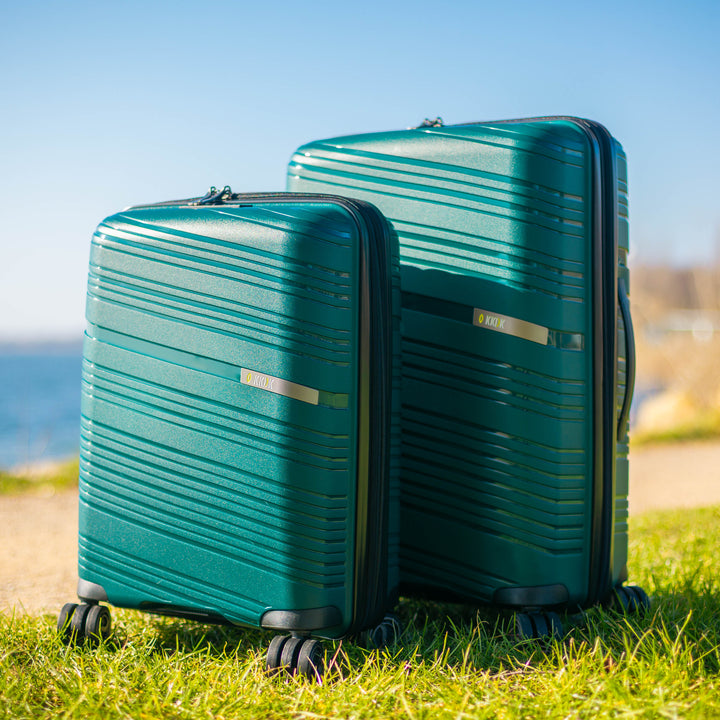
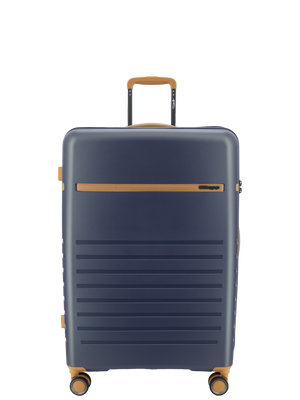
Wire KKDK Check-in L Suitcase
1.599 kr


You have seen 24 of 62 products
Show more productsAbout Lightweight suitcases
Find your perfect lightweight suitcase at Copenhagen Luggage. Our lightweight suitcases are sturdy, stylish and easy to handle. Buy your new lightweight suitcase from us today!
Lightweight suitcases and the art of travelling light without compromise
When preparing for your next trip, the dead weight of your suitcase is a decisive factor in your overall comfort and flexibility. A modern lightweight suitcase is designed to minimize the weight you have to lift and pull through airport terminals, train stations, and streets. At the same time, a low dead weight ensures you can pack more personal belongings without exceeding strict airline baggage restrictions.
At Copenhagen Luggage, we select only models where low weight is achieved through advanced material technology and thoughtful engineering rather than thin, fragile construction. A lightweight suitcase must be able to withstand the heavy pressure from mechanical baggage belts and rough baggage handling without giving way. Our range of lightweight suitcases unites ergonomic mobility with uncompromising durability, so you can travel with complete peace of mind on every journey.
What characterizes the best lightweight suitcase
Finding the best lightweight suitcase is not just about choosing the model that weighs the fewest grams on the scale. A well-functioning lightweight suitcase must deliver a precise balance between low weight, mechanical wear resistance, and stable handling comfort. If a suitcase is made lighter simply by skimping on the frame construction or wheel housings, you risk torsional damage and functional failure on the very first trips.
Quality models are distinguished by reinforced corner sections, molded components, and integrated load-bearing points that distribute weight evenly across the entire shell. When choosing the best lightweight suitcase for your travel needs, you should therefore evaluate the suitcase as an integrated technical unit, where the handle, locking mechanism, wheels, and shell function harmoniously together under load.
Construction of telescopic handles and wheel housings
One of the most critical areas on any suitcase is the pulling system. On lightweight models, multi-stage telescopic handles are often used, made of light aluminum tubes with variable profiling to counteract play and bending. The handle must be lockable in several height positions so you can achieve an ergonomically correct gait regardless of your body height.
The wheel system is also crucial for the experience during transport. Solid lightweight models typically use 4 double wheels with sealed ball bearings and wear-resistant rubber treads. The wheel housings are molded into the suitcase shell itself to absorb vibrations and resist impact from curbs and uneven asphalt, ensuring quiet and directionally stable maneuvering without unnecessary strain on wrists and shoulders.
Shock absorption and mechanical protection of contents
Low weight must never come at the expense of protection for fragile items in your luggage. Advanced lightweight suitcases achieve their high breaking strength by utilizing materials with controlled flexibility. Instead of resisting hard impacts with raw, rigid mass, the shell absorbs the energy from pressure and blows by temporarily yielding slightly and then instantly springing back into its original shape.
This form of elastic shock absorption reduces the transfer of impact to the interior of the suitcase. Consequently, computers, toiletries, and other delicate belongings remain securely protected throughout the journey, even when the suitcase is stacked at the bottom of the plane's cargo hold under heavy checked luggage.
Material selection with a focus on lightness and maximum breaking strength
The choice of material defines both the suitcase's dead weight, lifespan, and resistance. At Copenhagen Luggage, we primarily carry hardcase suitcases in strong materials made of either polypropylene (PP) or 100 percent virgin polycarbonate. These two types of plastic offer superior strength in relation to their weight and ensure long-term durability under demanding travel conditions.
We deliberately do not sell suitcases made of ABS plastic. ABS is the cheapest plastic type on the market and is characterized by a stiff, brittle structure. During standard airport baggage handling, ABS risks cracking or splitting, often on the very first trip. In more than 95 percent of cases, a cracked ABS suitcase can neither be repaired nor serviced, which is why we consistently exclude this material from our range.
| Feature | Polypropylene (PP) | 100 percent virgin polycarbonate |
|---|---|---|
| Wear and breaking strength | High impact resistance and pronounced elasticity upon impact | Maximum tensile strength and extreme durability |
| Price level | Affordable alternative with high operational reliability | Medium to high quality segment |
| Ideal use | Vacations, family trips, and all-round use | Frequent business travel and intensive air travel |
| Weight profile in construction | Very low density, providing light shells | Possibility of thinner shells with unparalleled strength |
Polypropylene (PP) represents the ideal choice for travelers who want a durable suitcase at an affordable price. The material is significantly stronger, more shock-absorbent, and nearly unbreakable compared to the cheapest plastic types. 100 percent virgin polycarbonate caters to the quality-conscious traveler who demands the highest mechanical resistance at minimal weight.
The advantages of polypropylene as a flexible choice
Polypropylene is distinguished by a remarkably low density, which makes it possible to produce robust shells without unnecessary weight. The greatest technical strength of polypropylene is the material's exceptional resistance to repeated bending and twisting. The shell can absorb violent pressure and dents without breaking, after which the surface returns to its shape.
The material is also resistant to moisture, chemical influences, and temperature fluctuations, making it an extremely reliable companion under varying climate conditions. Polypropylene suitcases are often equipped with integrated packing systems and recessed components, which significantly extend the product's lifespan.
Technical advantages of pure polycarbonate
When we refer to polycarbonate at Copenhagen Luggage, we refer to 100 percent virgin polycarbonate. This means that the material is neither recycled nor mixed with inferior plastic types to reduce production costs. Pure polycarbonate possesses an exceptional molecular tensile strength that allows manufacturers to extrude extremely thin shells without compromising impact resistance.
Polycarbonate is used in safety glass and helmets, among other things, due to its ability to withstand extreme loads without shattering. On a suitcase, this means the surface maintains its structural integrity even during rough handling in sub-zero temperatures in the cargo hold. This makes the material the preferred solution for travelers who fly frequently and expect maximum durability.
From cabin model to a large lightweight suitcase
When choosing between different lightweight suitcases, the optimal choice depends largely on the length of the trip and the permitted baggage weight. A low dead weight is an invaluable advantage across all sizes, but the benefits are felt in different ways in the cabin and the cargo hold.
In the cabin, it is about effortless handling and compliance with carry-on rules, while during check-in, it is about maximizing the amount of clothing and gear without paying for overweight. By keeping track of your luggage with an accurate luggage scale before departure, you avoid unpleasant fees at the airport counters.
Suitcase size for 23 kg checked luggage
If you are packing for longer holidays or overseas travel, a large lightweight suitcase is the obvious choice. For the classic standard limit of 23 kg check-in baggage, most travelers choose a suitcase with a volume of approximately 70-100 liters. Many traditional large suitcases in this weight class have a capacity of around 100 liters.
If the suitcase itself weighs 5 to 6 kg when empty, almost a quarter of your total luggage quota disappears just on the container. A large suitcase with a low dead weight in polypropylene or polycarbonate typically weighs significantly less, which frees up valuable kilos for your wardrobe, souvenirs, and necessary travel items. Explore our selection of large suitcases for 23 kg check-in to find the optimal model for your next big trip.
Carry-on luggage and weight limits in the cabin
For shorter city breaks and business trips, a lightweight cabin model is essential. Cabin suitcases generally have a European standard height of 55 cm with a volume that typically ranges between 35-45 liters. When the suitcase's dead weight is kept low, it is effortless to lift the bag into the overhead luggage bin without unnecessary strain.
Since airlines operate with varying weight limits for cabin baggage, it is always recommended to check your specific airline's current baggage rules before departure. You can see our entire range of compact models under cabin suitcases, where you will find light solutions adapted to modern travel needs.
Frequently asked questions about lightweight suitcases
How much does a lightweight suitcase typically weigh?
A lightweight carry-on suitcase typically weighs under 2.5 kg, while a medium or large lightweight checked suitcase often weighs between 3.0 and 4.5 kg depending on volume and choice of material.
Does a lightweight suitcase break faster than a heavy one?
No, not when it is constructed from quality materials like polypropylene (PP) or 100 percent virgin polycarbonate. These materials are shock-absorbent and resistant to airport handling despite their low weight.